Full overhaul
Sashes out, cords and weights renewed, pulleys serviced, beads replaced, everything eased and rebalanced so both sashes actually move.
Sash windows
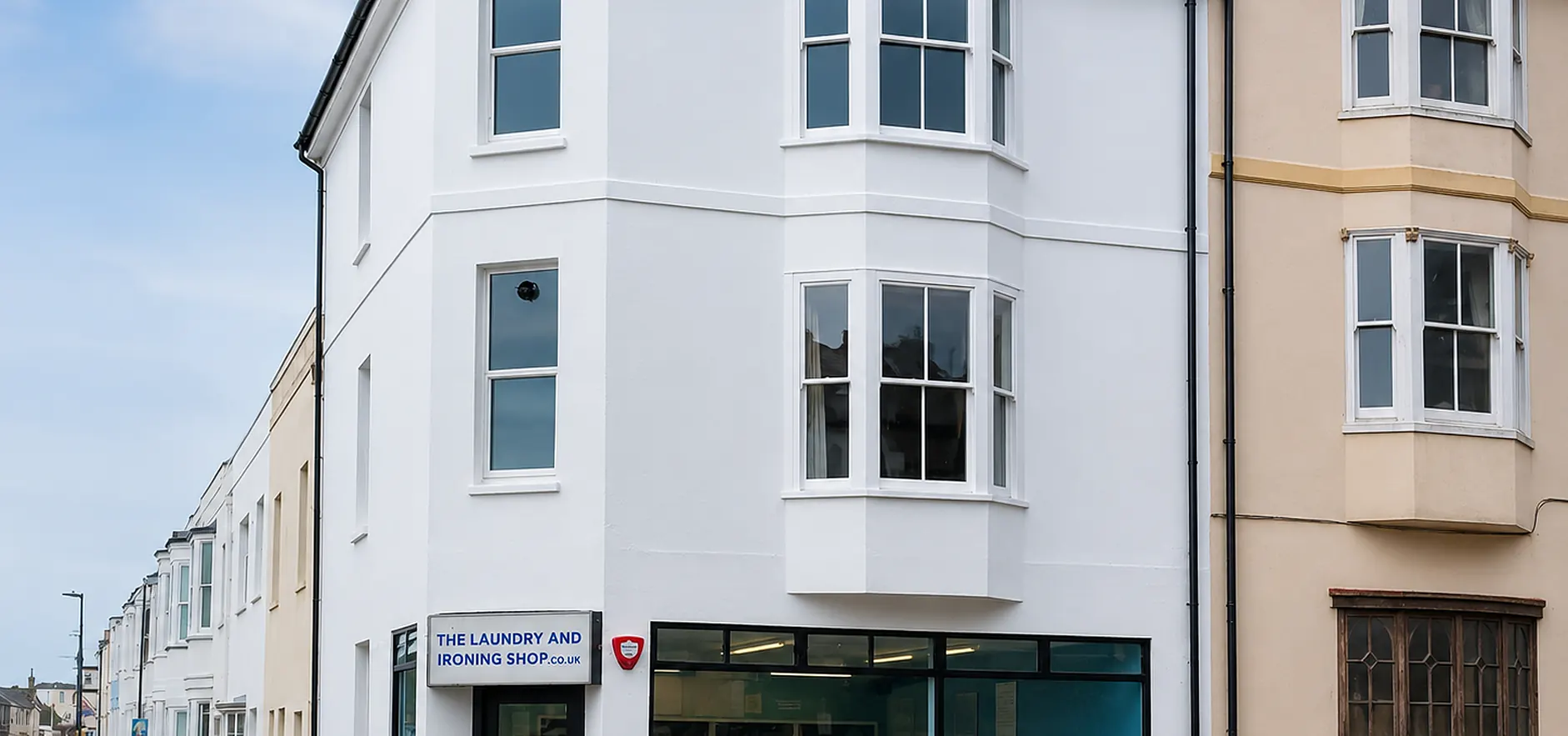
Traditional box sashes and casements built with modern machinery and old methods — plus overhaul, draught-proofing and rot repair on the windows you already have.
Sash windows
The received wisdom is that old sash windows are draughty, rattly and beyond saving, and that the answer is uPVC. It is usually wrong. A Victorian box sash was made from slow-grown timber that is often in better condition at 130 years old than a modern softwood replacement will be at thirty — the rot is generally confined to the bottom rail and the sill, and both can be cut out and spliced.
So the first conversation is always about what can be saved. Cords replaced, weights rebalanced, parting beads and staff beads renewed, sashes eased and re-hung, brush draught-proofing routed into the beads, and rotten sections spliced with matching timber. A window that has not opened since the 1970s can usually be running smoothly again in a day.
Where a window genuinely is beyond repair — or where an opening was butchered in the 1980s and needs putting back — new sashes and box frames are made to match the originals: the same sight lines, the same glazing bar profile, the same horn detail. Casement windows and doors are made to order in the same way.
Detail
Sashes out, cords and weights renewed, pulleys serviced, beads replaced, everything eased and rebalanced so both sashes actually move.
Brush seals routed into the parting and staff beads — invisible when the window is shut, and the single biggest improvement to comfort and noise.
Decayed bottom rails and sills cut out and spliced with matching timber, rather than the whole window being condemned.
Made from scratch to match neighbouring windows — sight lines, glazing bars, horns and all.
Traditional casement windows, French doors and external doors made to order in hardwood or Accoya.
Where planning rules prevent double glazing, discreet secondary glazing and heavy draught-proofing get most of the benefit.
Decay concentrates in the bottom rail, the sill and the base of the pulley stile, because that is where water sits. Everything above is usually sound and worth keeping.
The bulk of the discomfort from an old sash is air movement, not glass. Brush seals and properly fitted beads transform a room for a fraction of the cost of replacement.
In a conservation area or on a listed building, replacement windows generally need to match the original in material, profile and opening method. Getting that wrong is expensive.
Victorian joinery was made from dense, slow-grown pine with tight growth rings. It is genuinely superior to most modern softwood, which is a good argument for repairing it.
Straight answers
Usually. Unless the frame itself has gone, most sash windows can be overhauled — new cords, serviced pulleys, spliced rails, new beads and draught-proofing. Ollie will look at them and tell you honestly which are worth saving and which are past it. There is no incentive to condemn a window that can be fixed.
Sometimes. Slim-profile double glazed units can be fitted into new sashes, and occasionally into existing ones if the rebate is deep enough and the sash is strong enough to take the extra weight — the weights then need rebalancing. In conservation areas it may not be permitted at all, in which case draught-proofing and secondary glazing are the sensible route.
A single window is generally a day. A whole house is planned so that no opening is left unglazed overnight. New made-to-order sashes take longer because of the workshop time — typically four to six weeks from measuring.
Yes. In those cases the work is done to match the original exactly, and it is worth speaking to the local conservation officer before committing to anything. Ollie has worked on period properties across West Sussex and London and can advise on what tends to be acceptable.
Next step
Book a free, no-obligation design visit. Ollie measures up, talks through what you want and follows up with a drawing and a fixed written quote — usually within a week.